
Why Humans Are Drawn to Walk in Nature
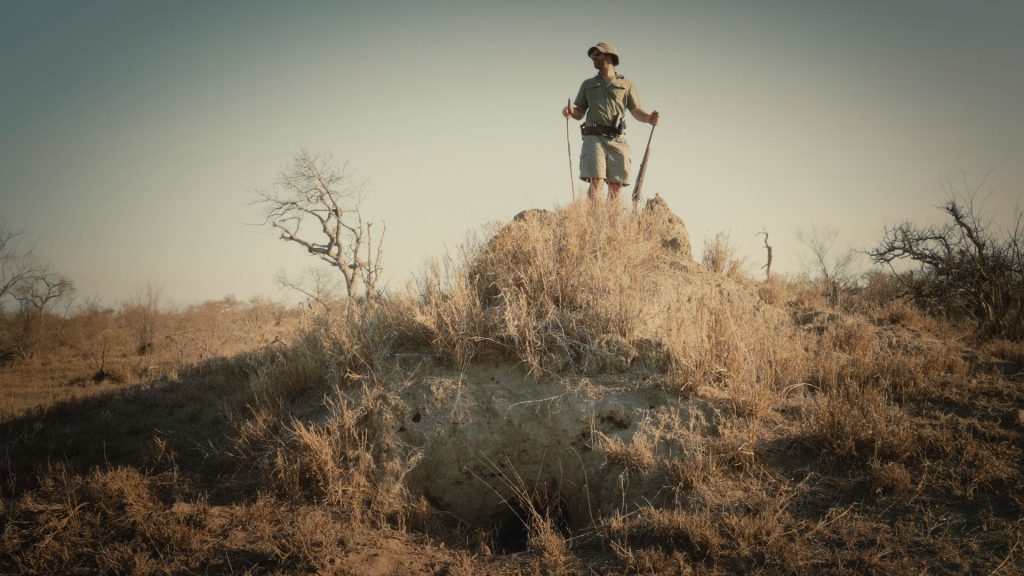
For thousands of years, humans have moved through landscapes on foot. Long before roads, vehicles, and cities existed, walking through wild spaces was simply part of life. Today, however, many people find themselves spending most of their time indoors, surrounded by screens and urban environments.
The Evolutionary Connection to Nature
Humans evolved in natural landscapes for hundreds of thousands of years. According to the Biophilia Hypothesis, proposed by Harvard biologist Edward O. Wilson, humans have an innate tendency to seek connections with nature and other living systems (Wilson, 1984).
This idea suggests that our brains are still wired for environments that resemble the landscapes in which our species evolved. Places with trees, water, open spaces, and wildlife.
Modern urban environments, while convenient, often lack these natural elements. As a result, returning to natural settings can feel instinctively restorative.
Yet something remarkable happens when we return to nature.
Across cultures and countries, people consistently report feeling calmer, clearer, and more connected after spending time outdoors. Scientists have begun studying this phenomenon, and the research is increasingly clear: walking in nature has measurable benefits for mental health, stress reduction, and overall well-being.
Walking in Nature Reduces Stress
One of the most well documented benefits of nature exposure is stress reduction.
A landmark study by Ulrich et al. (1991) found that natural environments trigger a measurable decrease in physiological stress indicators such as heart rate and blood pressure.
Another study published in Environmental Health and Preventive Medicine found that participants who walked in forest environments showed:
Scientific Findings From Forest Walking Studies
- Lower cortisol levels (a stress hormone)
- Reduced pulse rate
- Lower blood pressure
- Improved mood
This concept is often referred to as “forest bathing”, or Shinrin-yoku, a practice developed in Japan that encourages slow immersion in forest environments (Park et al., 2010).

Walking Outdoors Reduces Anxiety and Depression
Studies increasingly show that time in natural environments can help reduce symptoms of anxiety, depression, and rumination, the repetitive negative thinking associated with mental health struggles.
A study from Stanford University (Bratman et al., 2015) found that participants who walked in natural settings experienced:
What the Stanford Study Found
- Reduced activity in the subgenual prefrontal cortex
- Lower levels of rumination
- Improved emotional wellbeing
Even relatively short walks in nature can produce these benefits.
The Simple Power of Walking the Wild
In a world that moves faster every year, stepping back into nature offers something rare: space to breathe, think, and reconnect.
Walking through wilderness landscapes slows the mind, sharpens awareness, and reminds us of something deeply human, the instinct to explore.
It is not surprising that people consistently report feeling transformed after spending time in wild places.
Science is simply beginning to confirm what humans have known for generations:
Nature heals.
What our Guests are Saying
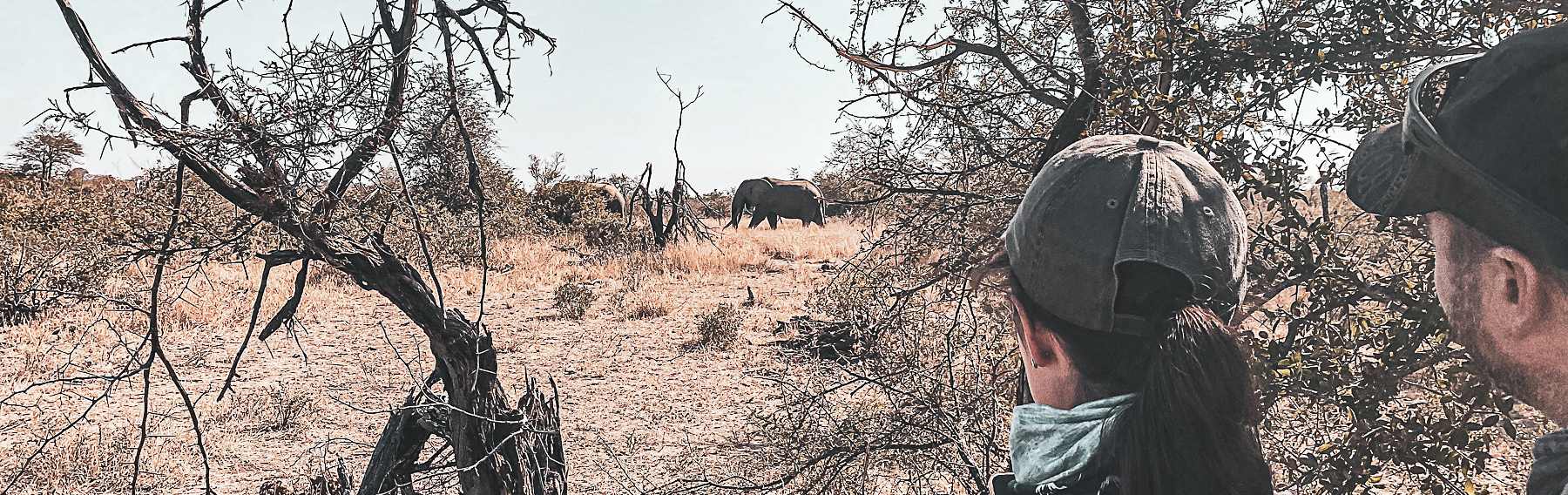
Our guide, Christian, was fabulous – knowledgeable, engaging, and deeply passionate about the wilderness. Thanks to him, we enjoyed incredible sightings on foot, including giraffe, zebra, kudu, hippo, elephant, buffalo, and, most memorably, wild dog – such a rare and special encounter!
